
commercial / Define the right property
Start a premises brief with the business activity
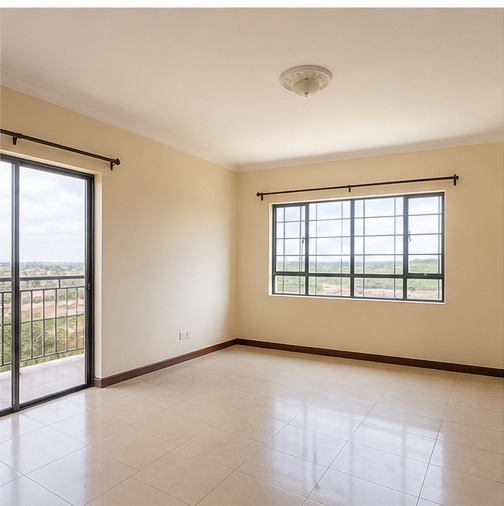
A unit must support the intended activity, equipment and customers. The word commercial does not establish that a particular use is permitted or practical.
Why this matters
A useful search brief describes a decision, not just a preferred neighbourhood. Separate requirements from preferences so a beautiful viewing does not quietly change the original goal.
Build a requirements sheet
- Write the activity or routine the space must support.
- Separate rejection conditions from preferences you could trade away.
- Use the same requirements when comparing each shortlisted property.
A practical example
A home close to work may still be unsuitable if shift-time access does not work. A smaller office may be preferable if its layout supports confidential appointments.
Hypothetical example, not a customer account or a statement about an available unit.
Your next step
Write the activity, opening hours and equipment list; ask the owner to confirm the proposed use in writing.
Which requirement would make you decline this property even if the rent were attractive?
Record the answer
Use the exact property reference and date. Write what you observed, who supplied any other information, and what remains unconfirmed. Before relying on an answer, consider whether a photo, written agreement or qualified assessment is needed.
References and limits
Official resources for further verification are below. They provide context, not proof that every editorial suggestion is a legal requirement. Source catalogue checked 18 October 2026; this is not a promise that future rules will remain unchanged.
- Estate Agents Registration Board: firm directory
Where to verify a firm; no claim that Hama or any named individual has been verified.
Practical education, not legal, tax, valuation or safety certification. Verify current requirements and seek appropriately qualified advice for your circumstances.