
commercial / Trust and privacy
Protect customer information during office viewings
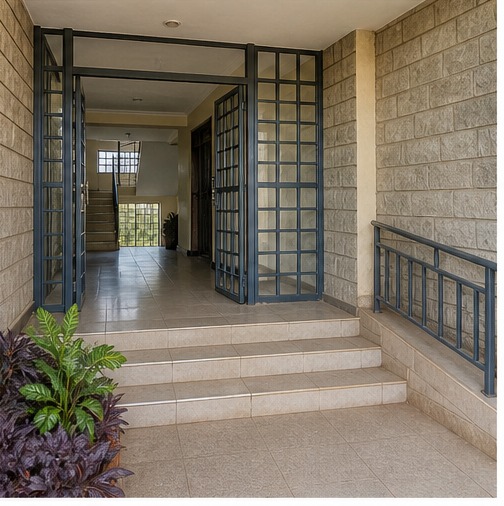
A viewing should not expose client files, screens or schedules. Plan what visitors can see before admitting them to an operating workspace.
Why this matters
Trust is strengthened by verifiable identities, limited sharing and clear records. No checklist can guarantee that a transaction is genuine; pause and verify when information does not line up.
Share only what is necessary
- Ask why information is needed and who will receive it.
- Use the intended private channel, not a public listing description.
- Keep a record of requests and raise concerns through the relevant official channels.
A practical example
A viewing discussion does not require publishing an applicant's identity document in a group chat. Confirm the purpose and recipient before sharing personal information.
Hypothetical example, not a customer account or a statement about an available unit.
Your next step
Clear or cover confidential material and agree a viewing route that respects privacy.
Can this task be completed with less personal information?
Record the answer
Use the exact property reference and date. Write what you observed, who supplied any other information, and what remains unconfirmed. Before relying on an answer, consider whether a photo, written agreement or qualified assessment is needed.
References and limits
Official resources for further verification are below. They provide context, not proof that every editorial suggestion is a legal requirement. Source catalogue checked 18 October 2026; this is not a promise that future rules will remain unchanged.
- ODPC: rights of a data subject
Privacy principles and data-subject rights; not individualized legal advice.
- ODPC: Guidance Notes on Consent
Primary consent guidance; consent is not assumed to be the only possible legal basis.
- Estate Agents Registration Board: firm directory
Where to verify a firm; no claim that Hama or any named individual has been verified.
Practical education, not legal, tax, valuation or safety certification. Verify current requirements and seek appropriately qualified advice for your circumstances.