
commercial / Handover and condition records
Create a commercial handover schedule
A business handover may include space, equipment and documents at different stages. A schedule makes partial delivery explicit.
Why this matters
Handover records establish what was observed and what still needs action. They should identify the correct property, avoid unnecessary personal data and be acknowledged through the agreed process.
Create a handover record
- Use the exact unit reference and handover date.
- Record condition, agreed outstanding items and access items supplied.
- Ask both sides to acknowledge the record and retain a copy.
A practical example
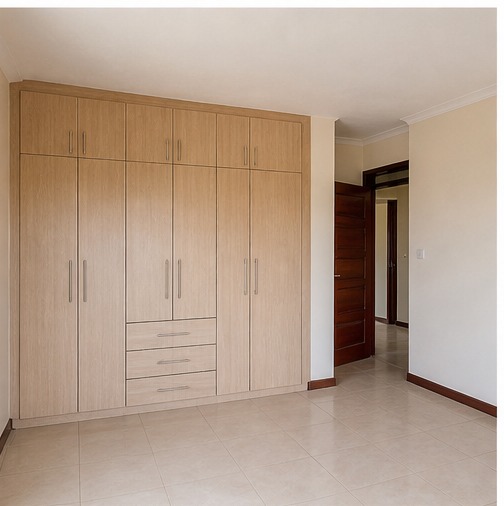
A photograph of a damaged cupboard is more useful when it is labelled by room, date and property, with the outstanding repair noted alongside it.
Hypothetical example, not a customer account or a statement about an available unit.
Your next step
List each item or area, its condition and the agreed acceptance or follow-up step.
What remains unresolved after keys or access are supplied?
Record the answer
Use the exact property reference and date. Write what you observed, who supplied any other information, and what remains unconfirmed. Before relying on an answer, consider whether a photo, written agreement or qualified assessment is needed.
References and limits
Official resources for further verification are below. They provide context, not proof that every editorial suggestion is a legal requirement. Source catalogue checked 18 October 2026; this is not a promise that future rules will remain unchanged.
- ODPC: rights of a data subject
Privacy principles and data-subject rights; not individualized legal advice.
Practical education, not legal, tax, valuation or safety certification. Verify current requirements and seek appropriately qualified advice for your circumstances.